

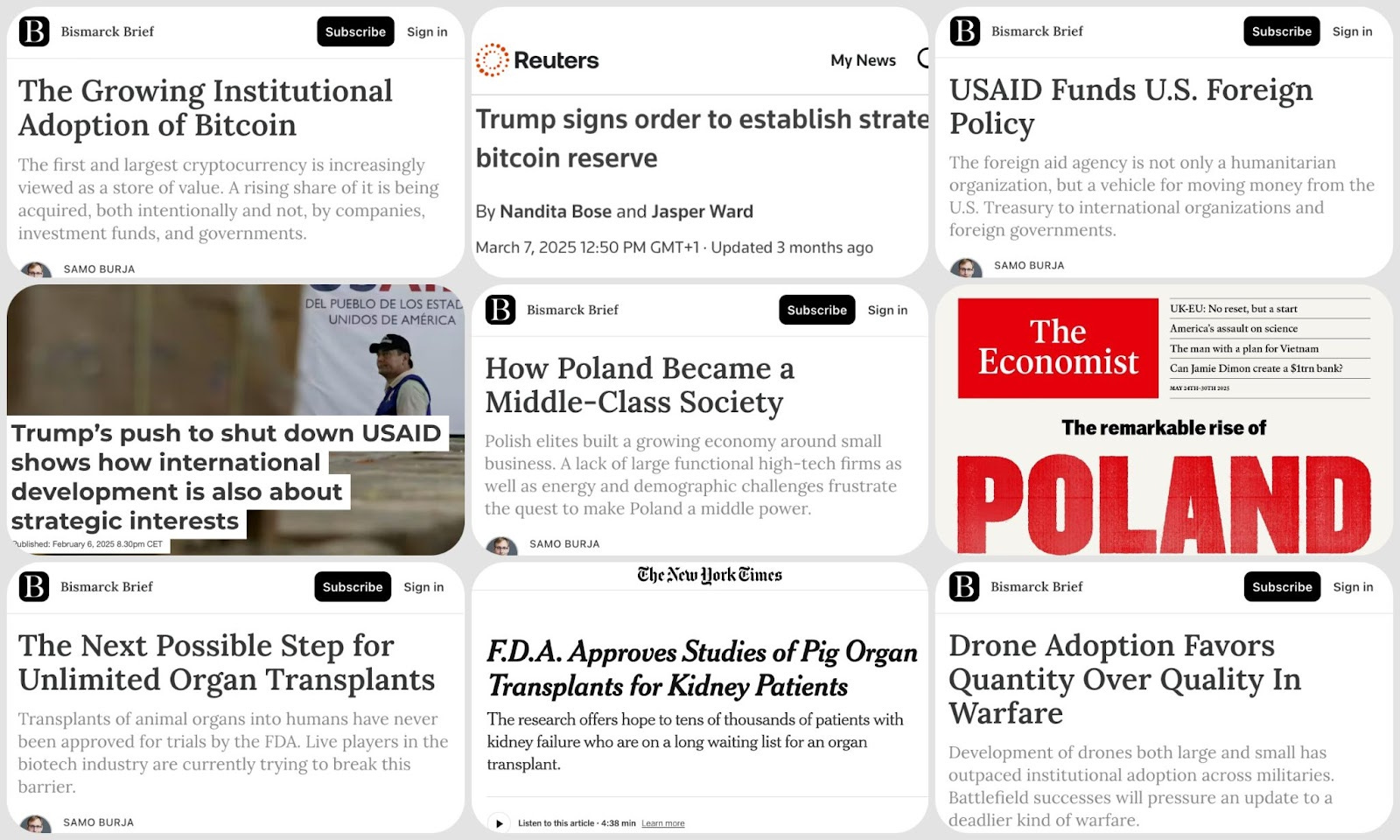
Bismarck Brief neither reports the news nor chases the latest trending story. Our approach is, in contrast, to conduct in-depth investigations of individuals and organizations we assess may be potentially live players or functional institutions, proceeding one at a time based on which ones we think might be the most transformative and relevant to technology, business, government, and geopolitics. Yet, this methodical approach yields coverage and understanding of the events, trends, and personalities seen and read in the legacy news and prestige media often years in advance. Reading Bismarck Brief will put you not just days or weeks but months and years ahead of the readers of The Economist, The New York Times, or The Wall Street Journal. If you are not convinced, here are 11 clear examples of Bismarck Brief being years ahead of the news, organized roughly by the earliest dates of publication:
#1 - Advances in drone warfare will push modern warfare away from using a small number of complex and expensive weapons towards using far more deadly attritional warfare on the battlefield backed by mass production of simple and cheap drones.
From Bismarck Brief on March 9, 2022:
Embedding micro-UAVs in squads and platoons will have far-reaching consequences for how they fight. Micro-UAVs deployed en masse can freeze opposing infantry units in place, suppressing their maneuver. Soldiers that find themselves under potential observation from suspected hostile micro-UAV surveillance are likely to remain paralyzed, unsure if they have been detected as a unit or as individuals, but fully aware that movement will give away their position to the drone’s controllers, with potentially deadly consequences if the micro-UAV operators can call down mortar fire or even summon a strike from a UCAV. The suppression potential is perhaps even greater if the micro-UAV is large enough to carry payloads of its own, such as grenades. While their limited flight times mean they cannot remain in position over a unit indefinitely, micro-UAVs cannot be outrun.
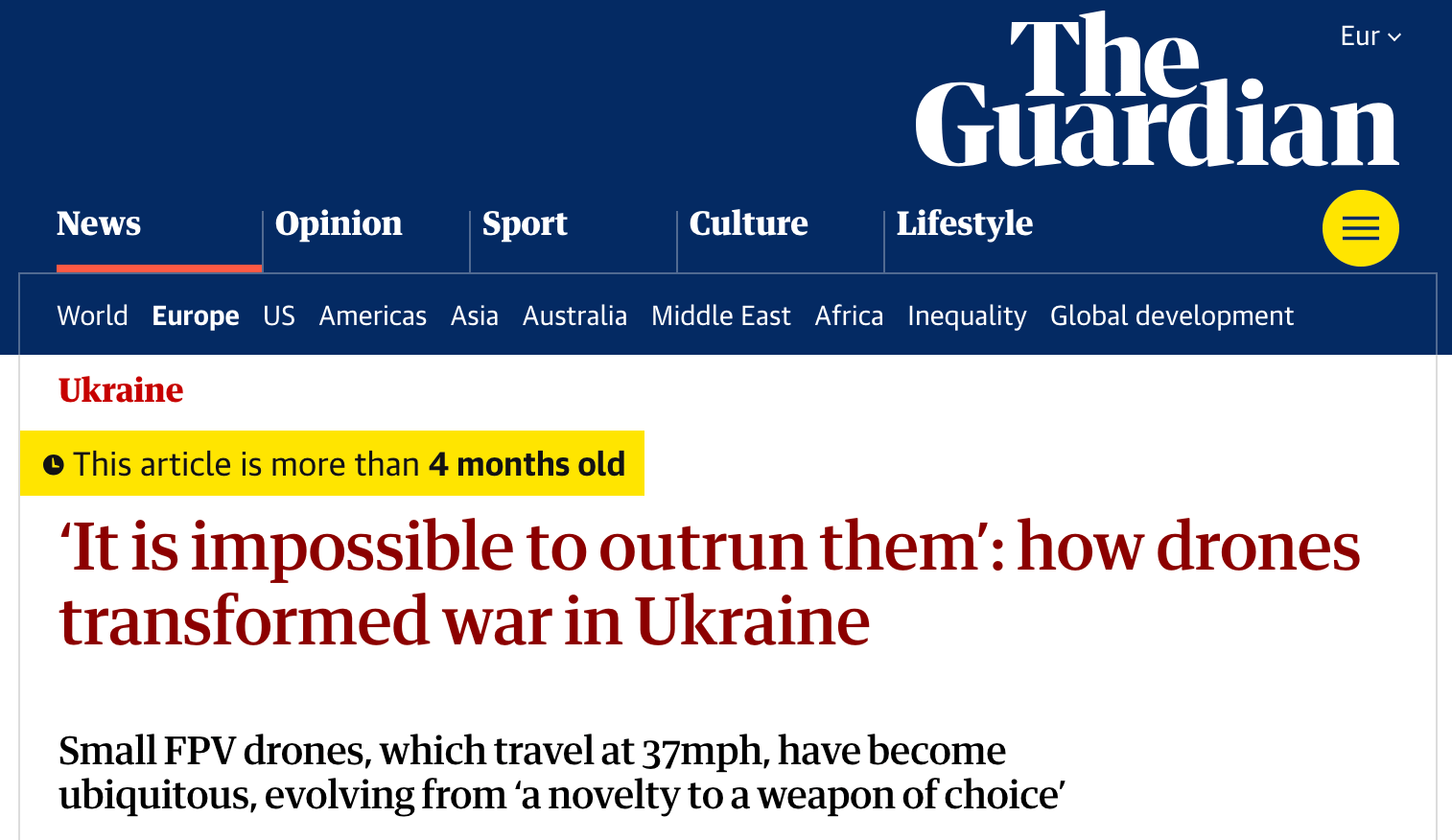
In their different ways, none of the world’s leading military powers are on the cutting edge of drone-enabled warfare [...] a larger force, capable of absorbing losses of men and material, could be the only viable option as drones make the battlefields of the future far more deadly. Though political factors may ultimately prevent a return to conscription, the drone may well teach Western militaries grim lessons in the inability of quality to make up for deficits in quantity.
From The Guardian on January 4, 2025:
Result: 2 years, 9 months, and 29 days ahead of the news.
#2 - Live players in biotech stand a good chance of persuading the U.S. Food and Drug Administration to proceed with approving animal-to-human organ transplants, a precondition for cheap organs on demand.
From Bismarck Brief on January 25, 2023:
Whether the FDA is genuinely preparing for a change in direction [in approving animal-to-human organ transplants] after over twenty years of disapproval, or whether media buzz is being engineered by live players who wish to lobby or pressure the FDA, is an open question. In either case, the odds have suddenly tilted in favor of xenotransplantation.
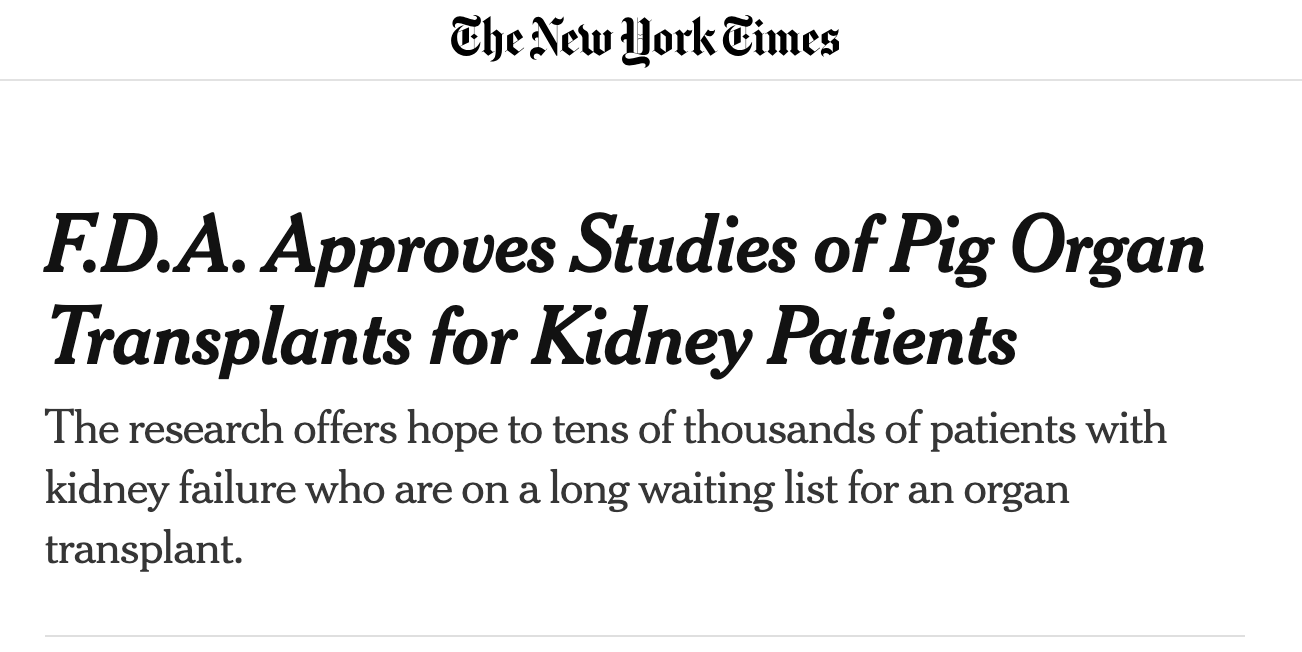
From The New York Times on February 3, 2025:
Result: 2 years and 11 days ahead of the news.
#3 - Chinese industry has made solar power economical and useful at an industrial scale and China’s appetite for solar power will continue rapidly growing and even accelerating as a result.
From Bismarck Brief on January 25, 2022:
In China, both solar and nuclear continue to be pursued simultaneously. China’s pursuit of industrial and energy growth has, perhaps counterintuitively, proven to be more successful at building out alternatives to fossil fuels than the environmentalist approach. This success was not predicted by Western institutions; the IEA for example consistently underestimated the rate at which new photovoltaic installations would be added from 2006 to 2018.
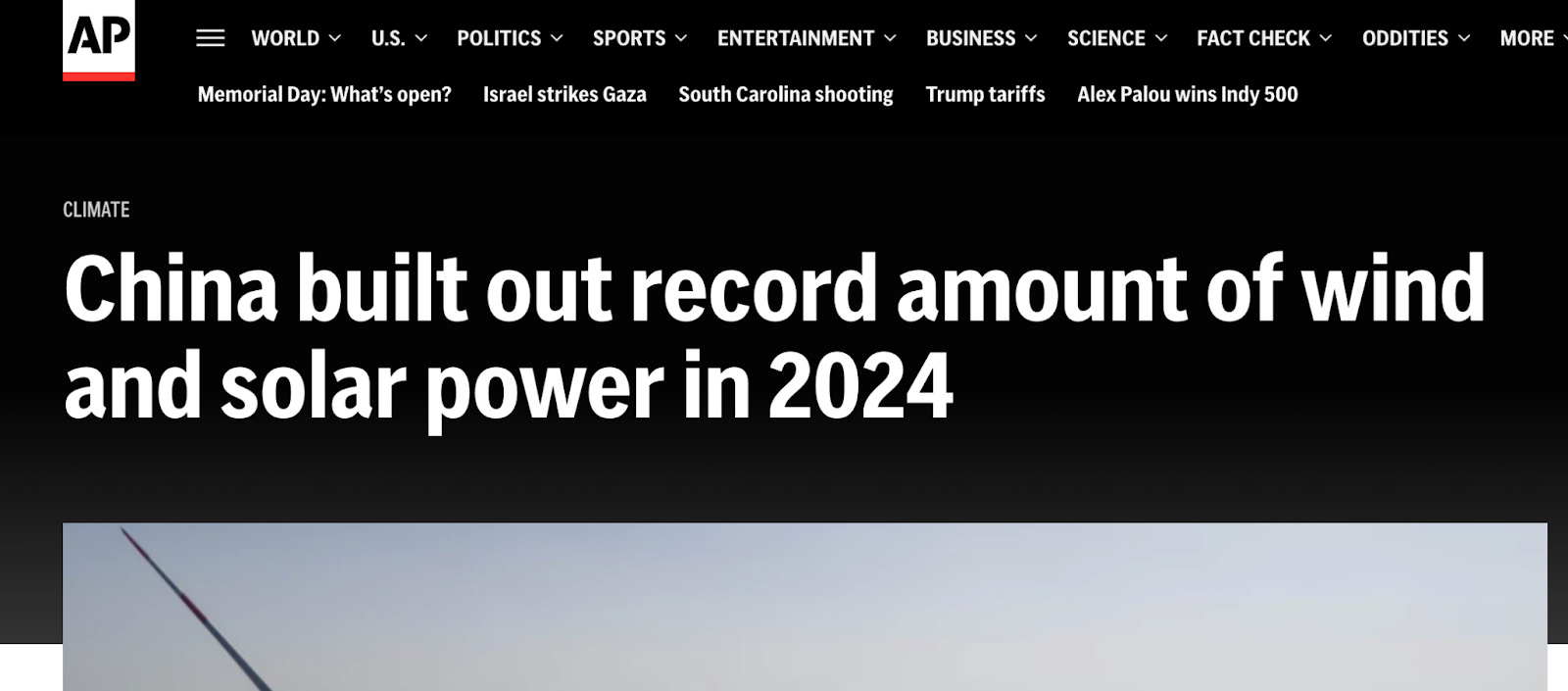
From the AP on January 28, 2025:
Result: 3 years and 3 days ahead of the news.
#4 - Turkish drone manufacturing and exports are bringing capabilities formerly reserved for the U.S. Air Force to many of the world’s smallest and poorest states, and show no signs of slowing.
From Bismarck Brief on December 8, 2021:
The most consequential effect of Turkey’s success in drone development and manufacturing is likely to be a proliferation of increasingly powerful and cost-effective drones among smaller and less wealthy states that previously would not have been able to afford the same kind of airpower. This will either be achieved through direct sales from Turkey, which are already happening, or through imitation of or cooperation with Turkey with the aim of developing independent capacity to develop and manufacture the same types of drones.
On Wikipedia, compare the map of the countries using Turkish drones when we wrote the Brief in 2021 to the map on May 26, 2025:
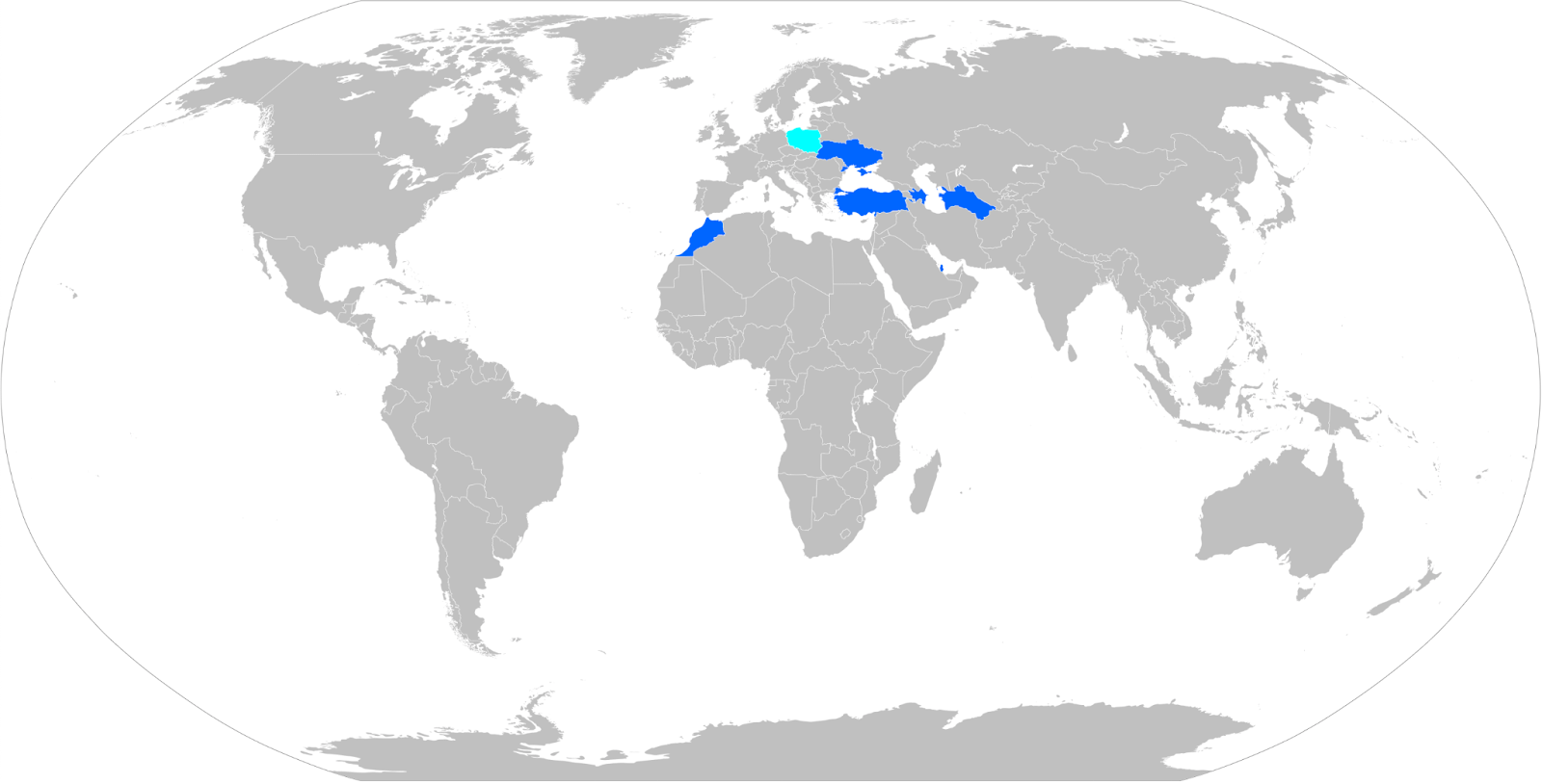
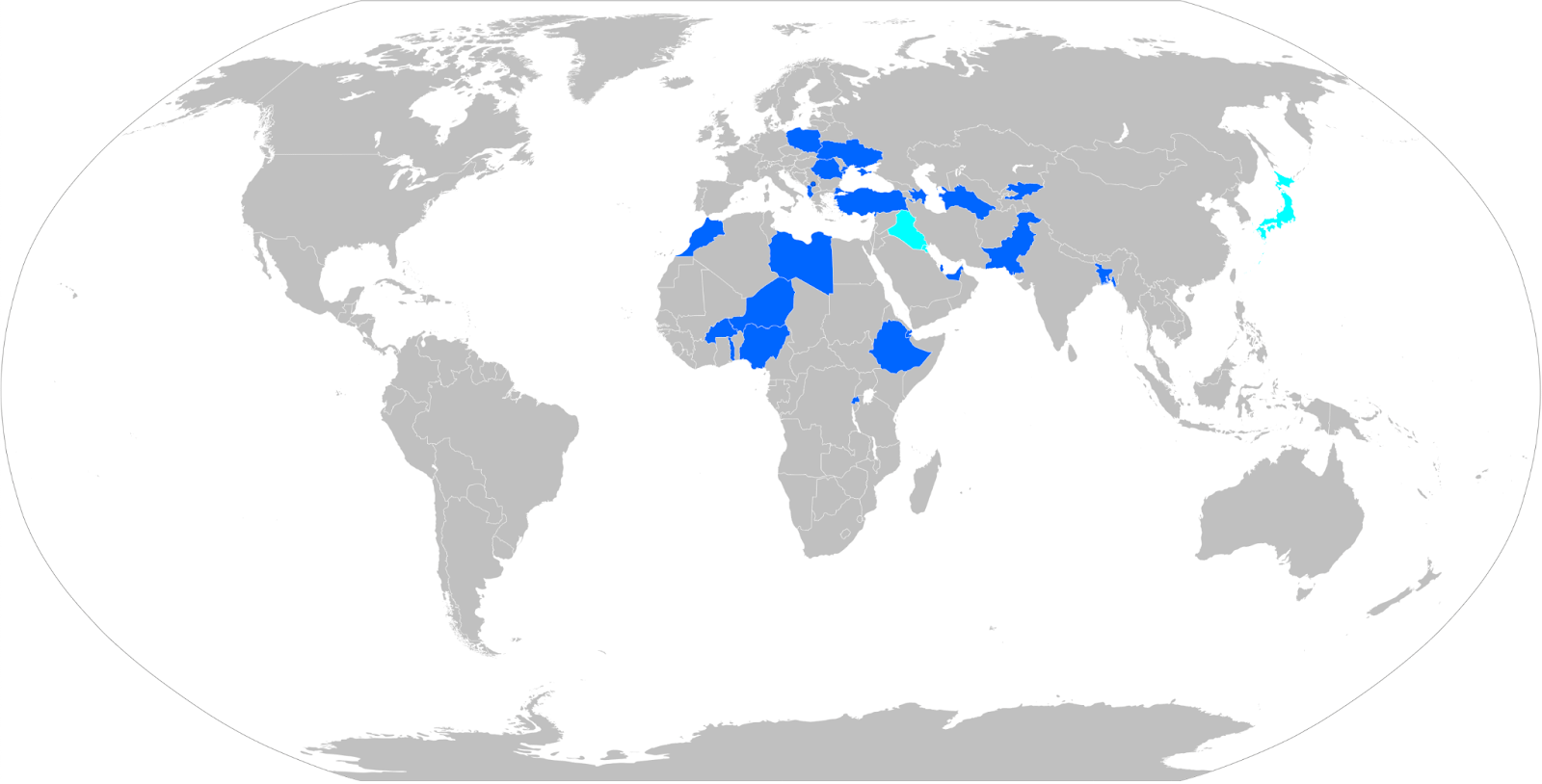
Result: at least 3 years, 5 months, and 18 days ahead of the news, since no major news outlet has yet published a headline story identifying this development.
#5 - China is nearly self-sufficient in food production despite relying on an unmodernized agricultural base and therefore relatively straightforward interventions will guarantee stability of its food supply under any circumstances.
From Bismarck Brief on October 12, 2022:
China does not need to increase food production by 60% to become entirely self-sufficient, but perhaps only around 10%, with the exception of soybeans for pig feed. Over the long term, it seems most likely that higher-yielding strains of crops, consolidated farmland with better technology and management, and possibly even incremental increases in arable land from decontamination, irrigation, zoning, and land reclamation will bring China to self-sufficiency in food, if not even make it a net food exporter on the margins. As China’s population declines, it seems most likely that China will eventually end up in a similar position as other developed countries have with regards to their agricultural bases: producing far more food than they know what to do with, to the point that obesity and other diseases of affluence are a far more pressing concern than food shortages.
From Global Times on April 7, 2025:
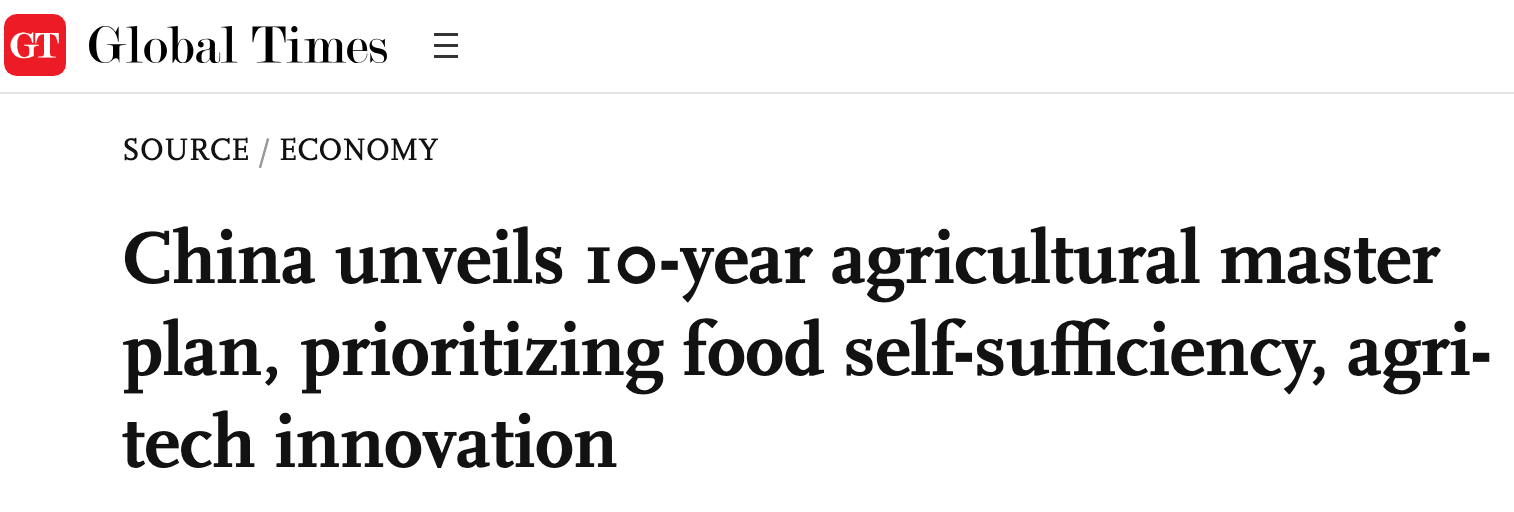
Result: 2 years, 5 months, and 26 days ahead of the news.
#6 - The King of Thailand has become politically powerful by deliberately allying with the military and his power is unlikely now to be reduced via democratic means.
From Bismarck Brief on March 8, 2023:
The King’s main goal appears to be to expand the autonomy and grandeur of the Thai monarchy, which is currently best served by aligning with the military government and conferring the monarchy’s legitimacy on it. While pro-democracy movements in Thailand have tried to reduce the military’s dominant role in government for decades, the new king’s alliance with the military government makes it unlikely that the King will check the military’s power. Rama X is now 70 years old, but he appears to be in good health and is likely to remain in power for the foreseeable future.
From The Guardian on August 7, 2024:
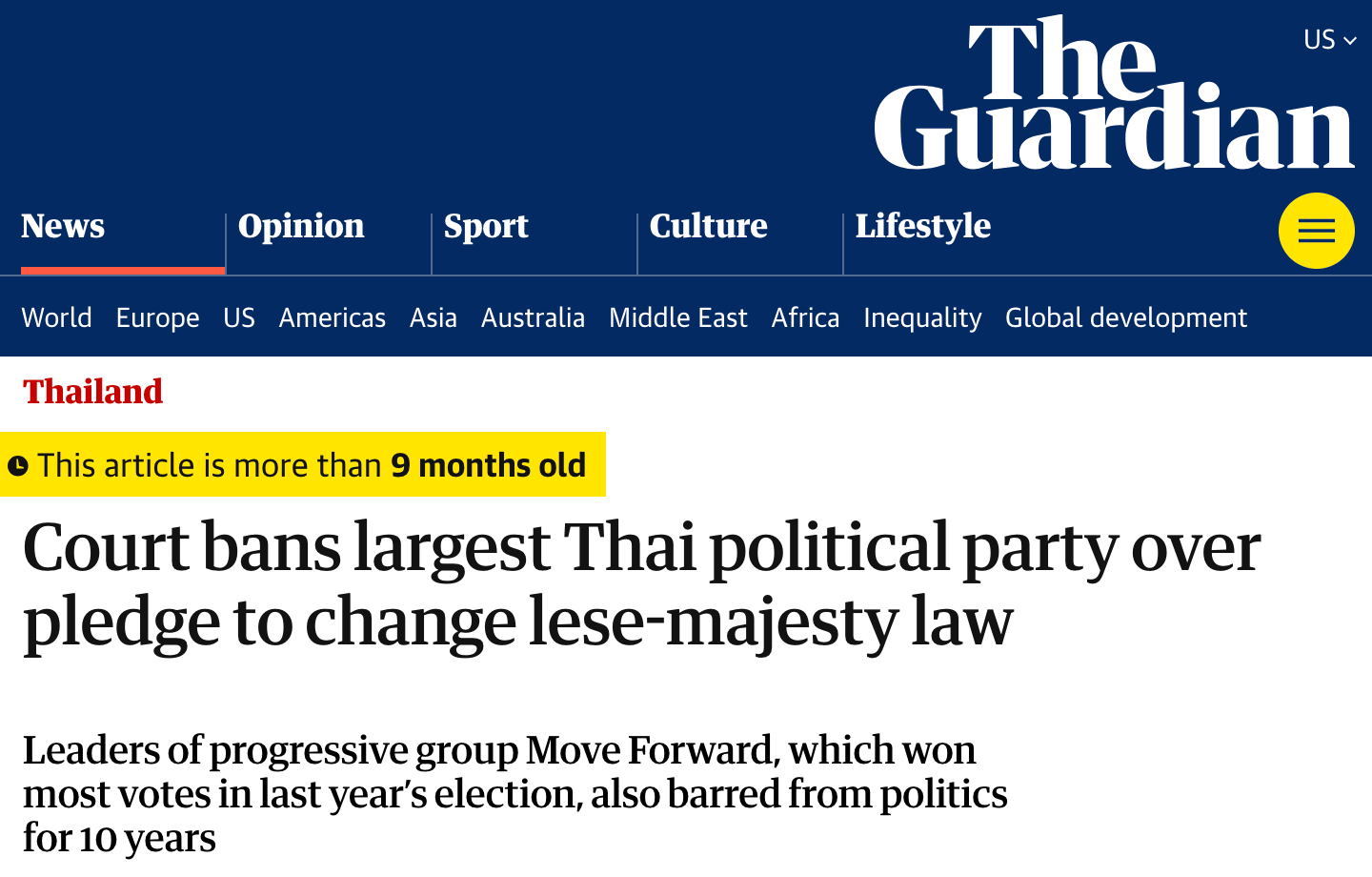
Result: 1 year, 4 months, and 30 days ahead of the news.
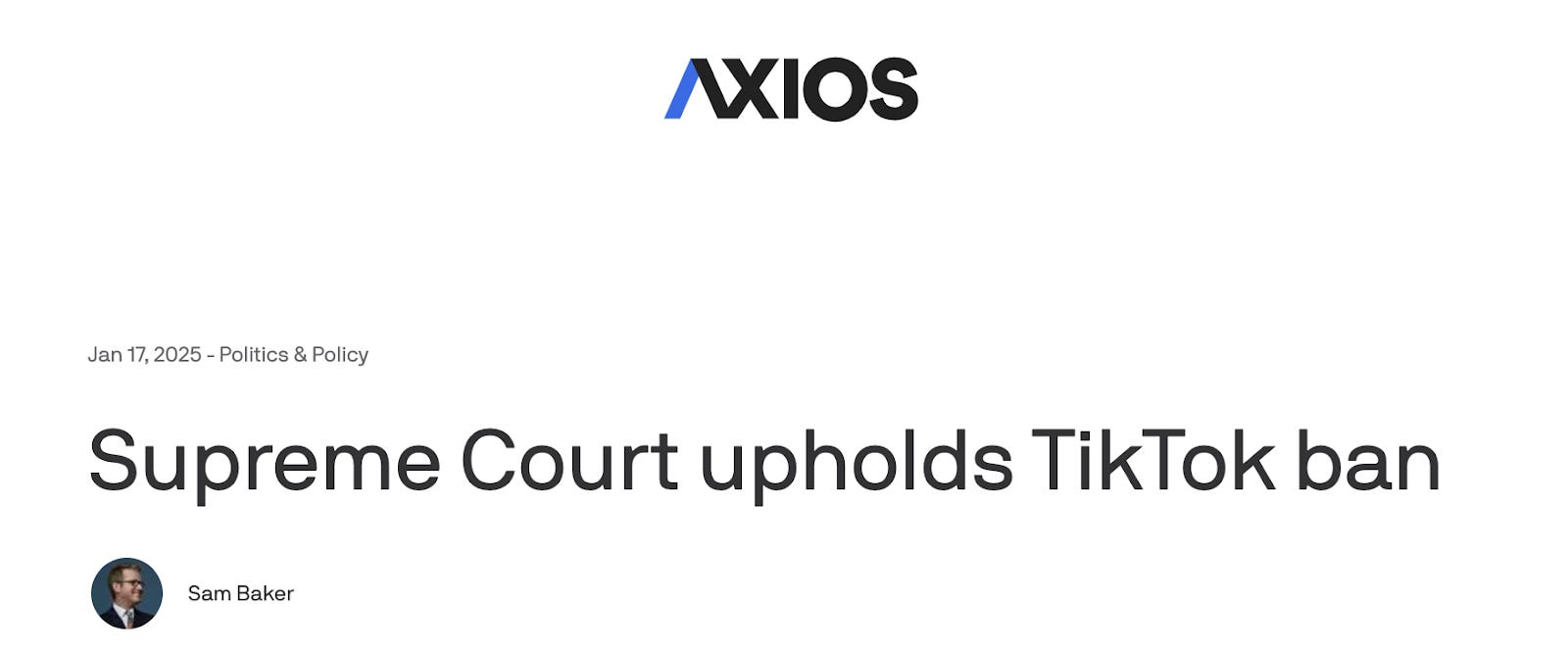
#7 - Silicon Valley and the U.S. government are uniting to prevent a Chinese company from having a global social media empire in TikTok.
From Bismarck Brief on March 22, 2023:
In the short term, the most likely result is continued deadlock that allows TikTok to operate in the United States, albeit with uncertainty about its future. This could last for months or even years. Although it doesn’t achieve any significant goals for the U.S. government, the most likely final resolution is a forced sale of TikTok to U.S. companies without social media empires.
From Axios on January 17, 2025:
Result: at least 1 year, 9 months, and 26 days ahead of the news.
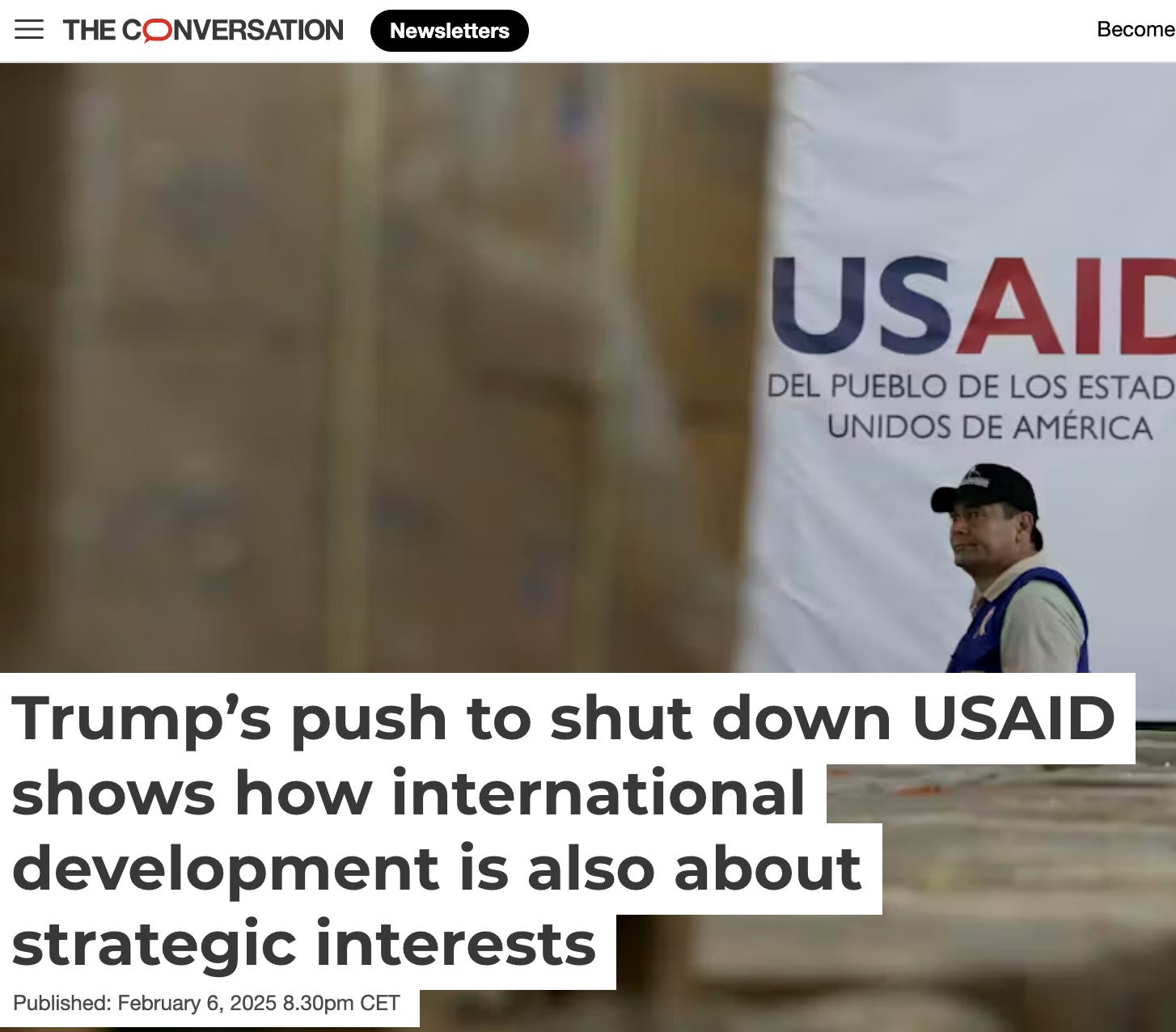
#8 - USAID is not a charity organization but a vehicle for funding the U.S. government’s favored foreign policy and ideological objectives.
From Bismarck Brief on July 26, 2023:
Foreign aid is a key tool of governments to build alliances with other states and to influence military, political, humanitarian, and economic developments abroad. The United States Agency for International Development (USAID) is the single largest source of foreign aid globally. In 2022 it disbursed $38.7 billion, accounting for well over half of U.S. foreign assistance, with the remainder primarily coming from the State Department, the Department of Agriculture, and the Department of the Treasury. The agency maintains over 100 missions, or regional program headquarters, through which it distributes funding. Its goals extend to pursuing U.S. foreign policy and countering Chinese and Russian influence. For example, for fiscal year 2022, the single largest recipient of funds by far was Ukraine at about $9 billion, nearly a quarter of all disbursements.
From The Conversation on February 6, 2025:
Result: 1 year, 6 months, and 11 days ahead of the news.
Paid subscribers to Bismarck Brief receive full access to our existing catalog of nearly 200 Briefs, as well as a new in-depth, long-form investigation of a key institution, industry, or live player every Wednesday at 2pm GMT sharp. I warmly invite you to become a paid subscriber to Bismarck Brief and join us on this ongoing investigation into the global power landscape:
#9 - Poland is now an affluent society and potential middle power whose continued economic growth will make it richer than countries like the United Kingdom.
From Bismarck Brief on August 30, 2023:
With nearly 40 million people, Poland is the most populous Eastern European country and one of the most populous countries in the European Union. From 1990 to 2021, Poland’s GDP per capita adjusted for purchasing power tripled, growing more than any other major country in Europe, at a comparable rate to other rapidly growing economies like South Korea or Turkey. It is now comparable to Japan’s and surpasses EU member states like Croatia, Greece, and Portugal. Given expected growth rates, Poland is projected to become more affluent than the United Kingdom by 2030, in what would be a watershed moment for global development trends. For the approximately 170 million people who live in the former communist bloc in Eastern Europe, excluding Russia, Poland is the ideal test case for economic growth, affluence, and relevance as a middle power.
The cover of The Economist for the week of May 24-30th, 2025:

Result: 1 year, 8 months, and 23 days ahead of the news.
#10 - Premier semiconductor equipment manufacturer ASML faces the serious threat of startup competitors from China, buoyed by U.S. sanctions on Chinese semiconductor imports.
From Bismarck Brief on November 8, 2023:
ASML’s senior executives have repeatedly argued against the global trend towards regionalization and reshoring of semiconductor supply chains, arguing that in the long run this will simply force China to develop its own end-to-end domestic semiconductor supply chain and that, in the words of CEO Peter Wennink, “the laws of physics in China are the same as here.” [...] While [ASML] would likely stay immensely profitable for a long time, similarly to Apple, that might ultimately leave an opening for technological disruption from a new competitor. Such a competitor would have to bet on a new technological paradigm of lithography and is today more likely to emerge in China or even South Korea rather than the U.S., let alone anywhere in Europe.
From Nikkei Asia on March 24, 2025:

Result: 1 year, 4 months, and 16 days ahead of the news.
#11 - China’s film industry is healthy and growing and will eclipse Hollywood sooner than anyone expects.
From Bismarck Brief on December 13, 2023:
A similar dynamic is now arguably occurring between Hollywood and the Chinese film industry. Like software, film is thought of as a complex and nuanced “soft” skill that relies on sensitive geniuses, of which, the conceit goes, China has none. Even if China’s cinema audiences and film industry surpass America’s in size, they will remain intangibly less sophisticated, lower quality, and fail to compete internationally. As with software, this will most likely be true until it isn’t—until the time when a Chinese live player flips the previous script, like Zhang Yiming and TikTok. As the Chinese film industry grows in size, revenue, and power, it will attract live players interested in building personal empires and making their marks on the world.
From Variety on February 25, 2025:

Result: 1 year, 2 months, and 12 days ahead of the news.
As a bonus, here are two examples of being less than years ahead of the news, but still, importantly, ahead:
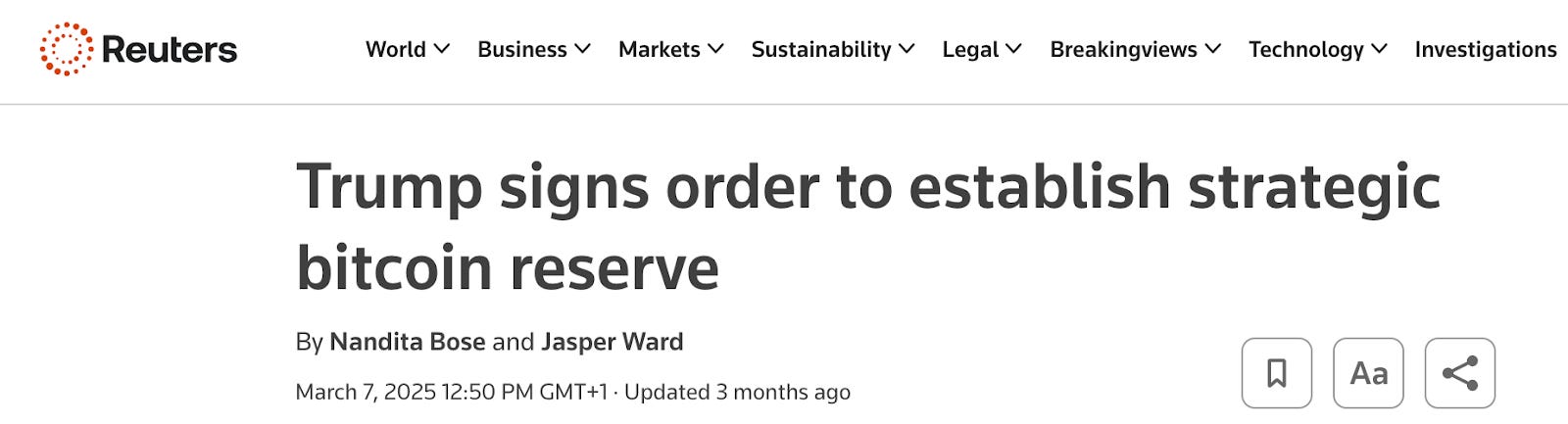
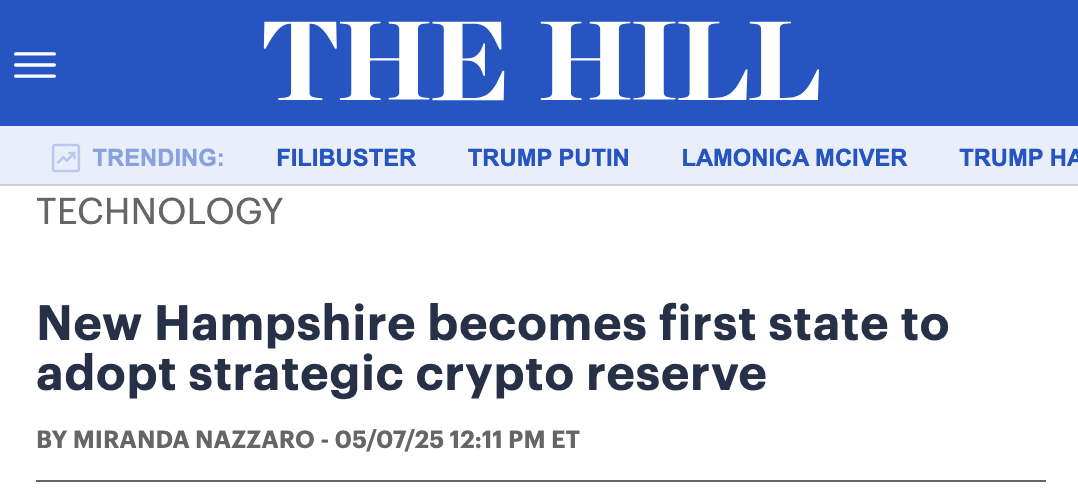
#12 - Companies and governments are increasingly opting to buy and hold Bitcoin.
From Bismarck Brief on December 11, 2024:
For the countries that already own seized bitcoins, including the U.S., establishing a “Strategic Bitcoin Reserve” could be as simple as renaming and moving around some funds, a relatively politically inexpensive maneuver. But doing this would most likely create the possibility for such a reserve to be expanded in the future with more purchases, and thus raise the stakes for other governments, incentivizing them to purchase their own reserves of Bitcoin. [...] These particular bills are not necessarily likely to pass, nor is passing laws the only mechanism by which countries can gain exposure to Bitcoin or cryptocurrency. But they indicate the global appeal of the concept and become more likely to pass in the future as more countries and large institutions purchase bitcoins. A potential Bitcoin or cryptocurrency “bull run” would fit with Trump’s political goals, since it would result in a perception of a U.S. economy boosted by new technology and Trump’s presidential intervention.
Here are several news stories from recent weeks:
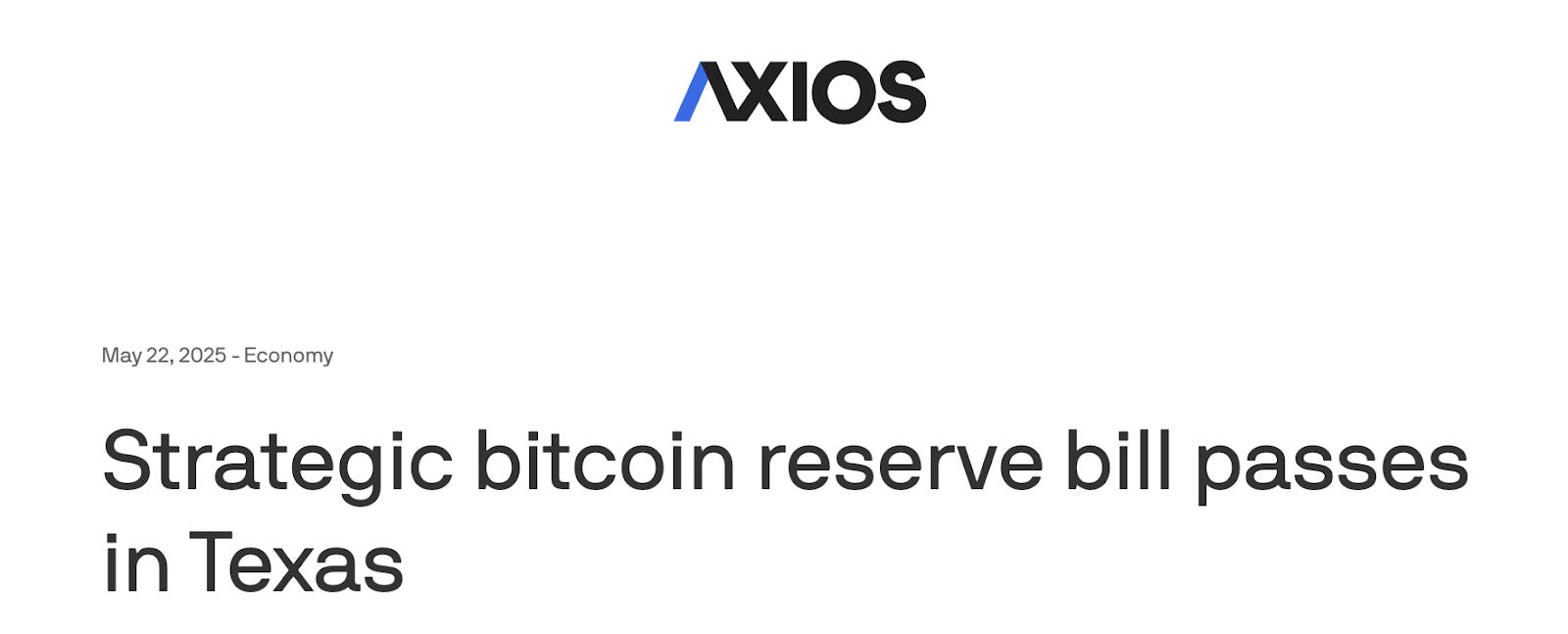
Result: at least 2 months and 24 days ahead of the news.
#13 - Legalization of cocaine would be a major tailwind to Colombian stability and development.
From Bismarck Brief on February 5, 2025:
A creative live player in Colombia might attempt to solve the cocaine problem by legalizing coca cultivation and coca products along the lines that marijuana has been legalized in the U.S., Mexico, Germany, Thailand, and other countries. It could be argued that the coca plant is merely a traditional indigenous herb with legitimate medical and recreational uses and ought to be legal for regulated adult consumption, similar to alcohol, tobacco, and increasingly marijuana. This would not entirely work unless the importers of cocaine, namely the U.S. and Europe, also adopted a measure of legalization. But legalization in Colombia could provide the model and legitimacy for doing so elsewhere, as well as allow the initial development of legal coca cultivation and legal coca products to permanently draw power away from traffickers and guerillas and put the industry under formal control and taxation.
From POLITICO on February 6, 2025:
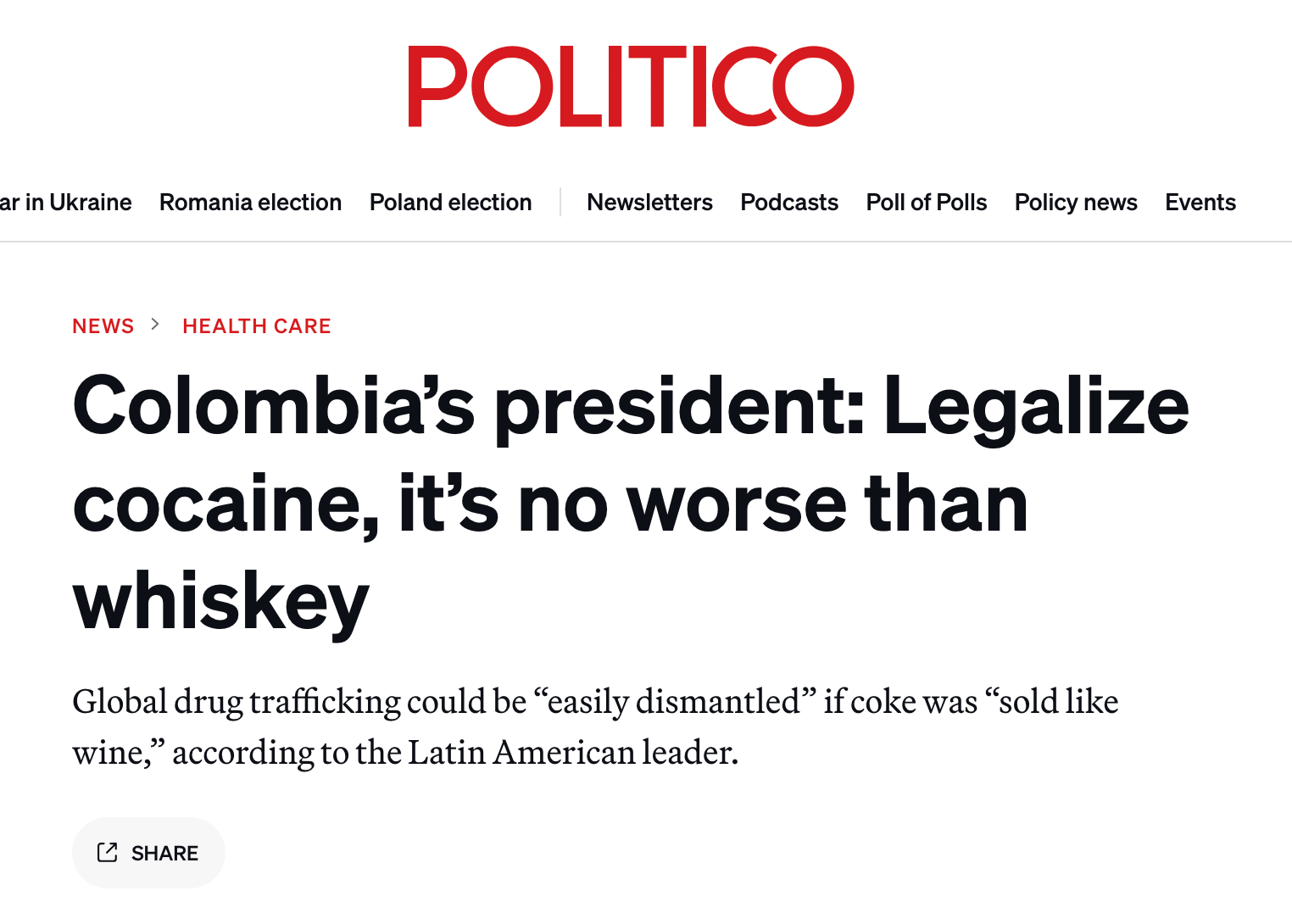
Result: 1 day ahead of the news—and the Colombian President.
Paid subscribers to Bismarck Brief receive full access to our existing catalog of nearly 200 Briefs, as well as a new in-depth, long-form investigation of a key institution, industry, or live player every Wednesday at 2pm GMT sharp. I warmly invite you to become a paid subscriber to Bismarck Brief and join us on this ongoing investigation into the global power landscape:
If you haven’t already, I also warmly invite you to read our recent analyses of how Bismarck Brief outperforms the S&P 500, why Bismarck Brief is a superior time investment to reading the news or scrolling social media, how Great Founder Theory informs every Bismarck Brief, 27 unique and generalizable insights from three years of the Brief, and how the Brief’s long-term vision is to become an atlas of live players and institutions.
In a world of rapid and complex economic, political, and technological changes, the only way to keep up with the news—is to be ahead of news.
Sincerely,

Samo Burja
Founder and President, Bismarck Analysis