

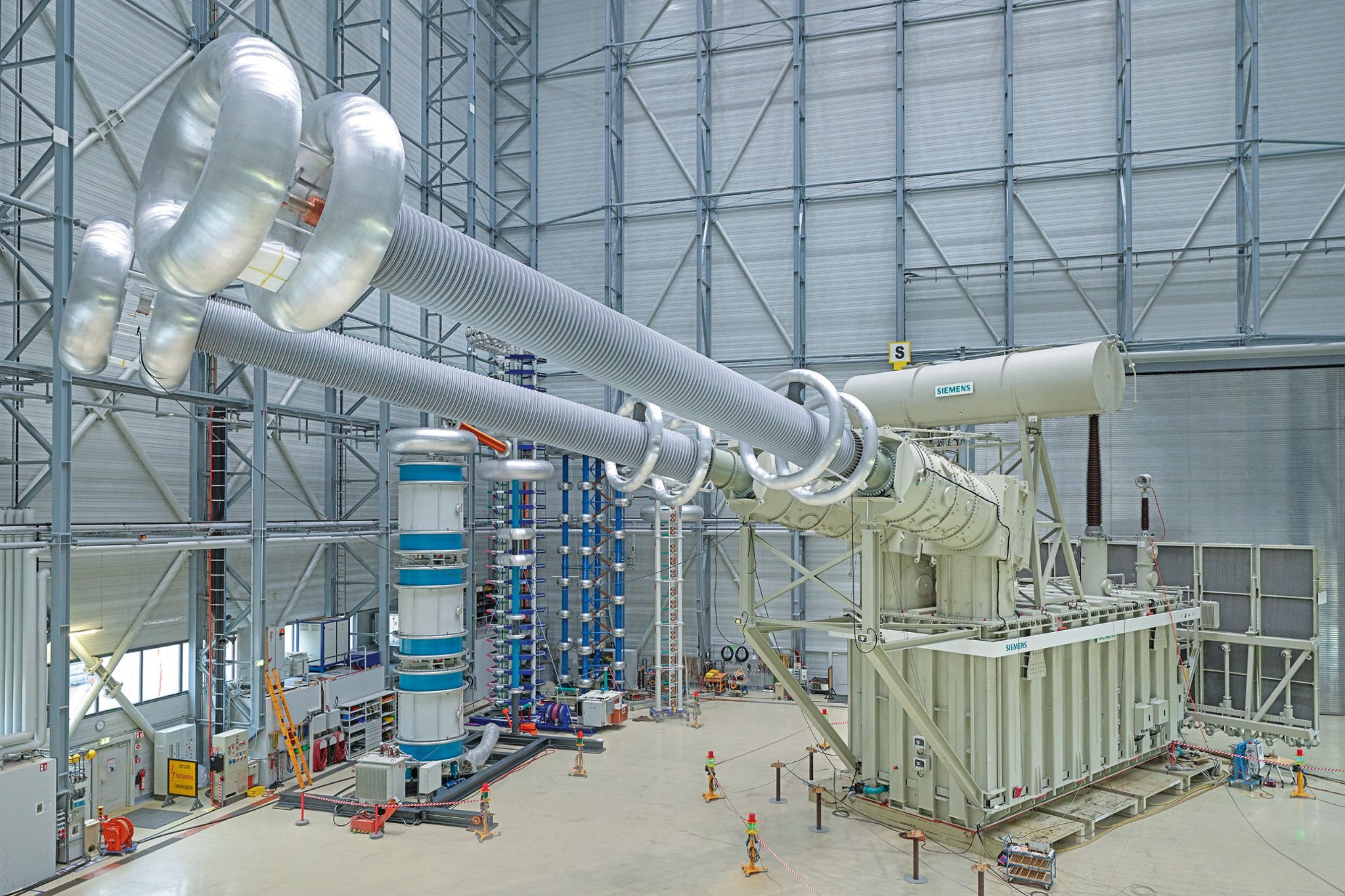
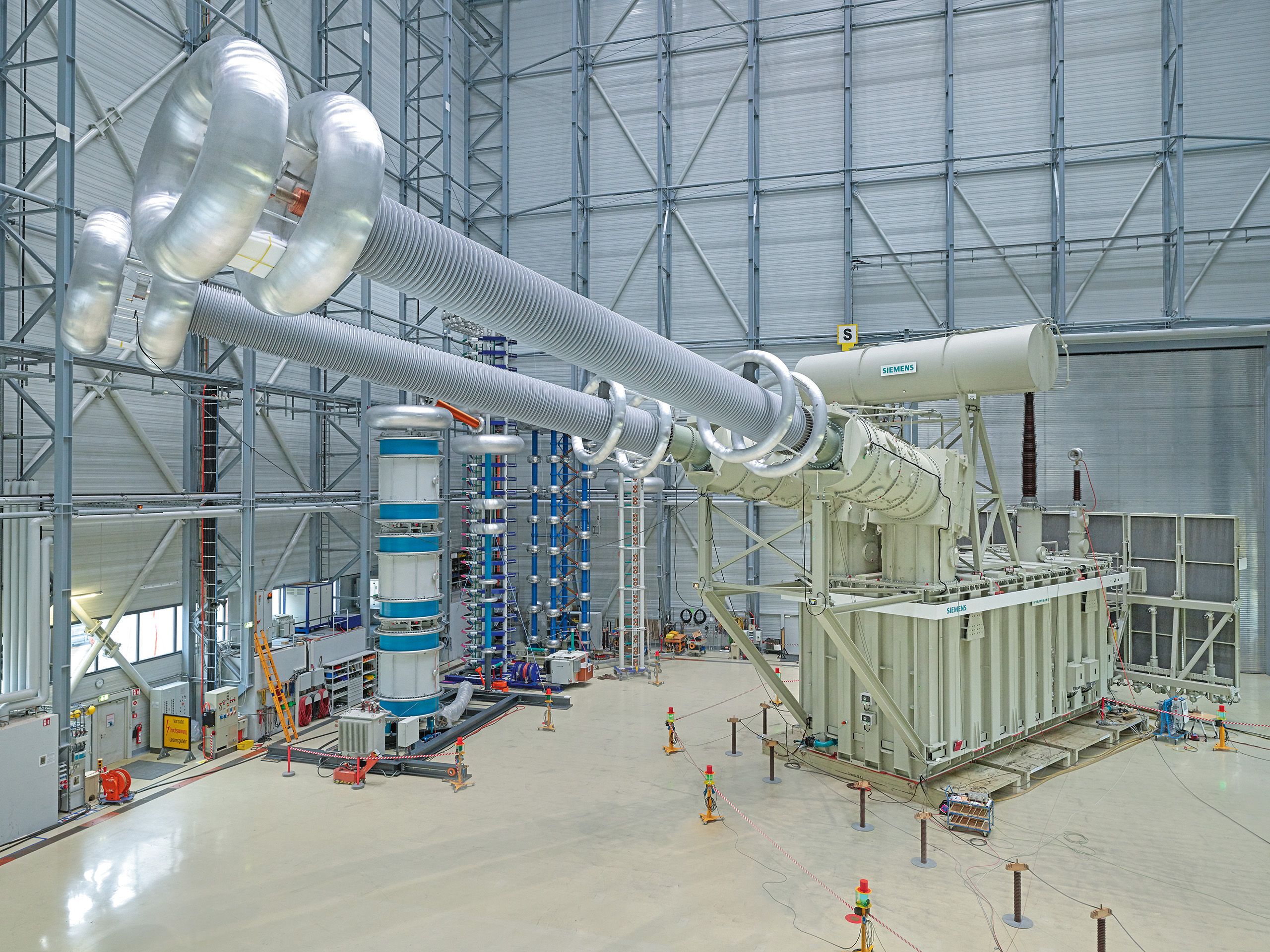
With annual revenues of €78 billion and over 300,000 employees, Siemens is Germany’s largest and most valuable industrial conglomerate, valued at over €200 billion (SIE.DE) as of October 2026.1 Headquartered in Munich, Siemens’ sprawling industrial empire manufactures a diverse range of advanced industrial goods, including MRI machines, electrical substations, and railway systems. The company is also one of the world’s primary producers of hardware and software for industrial automation, such as its SIMATIC Programmable Logic Controllers (PLCs), the critical computer components behind factory automation.2 Although the company does not manufacture industrial robots or humanoid robots of its own, it manufactures many of the components and sensors needed to roboticize factories and other fixed infrastructure sites, as well as the electrical infrastructure to power them and the transportation systems to deliver their inputs and outputs. Siemens has seen a burst in demand for its products from the AI data center boom already, but this could pale in comparison to the demand for Siemens’ products if technologists’ ambitions for an AI-enabled robotics revolution in the physical world come to fruition.3