

This Bismarck Brief will contribute to our exclusive upcoming AI 2026 Bismarck Strategic Report, which will feature in-depth analysis of the state of the artificial intelligence sector and technology, together with a comprehensive profile of key players. Upgrade or subscribe now to receive full access and never miss a report.
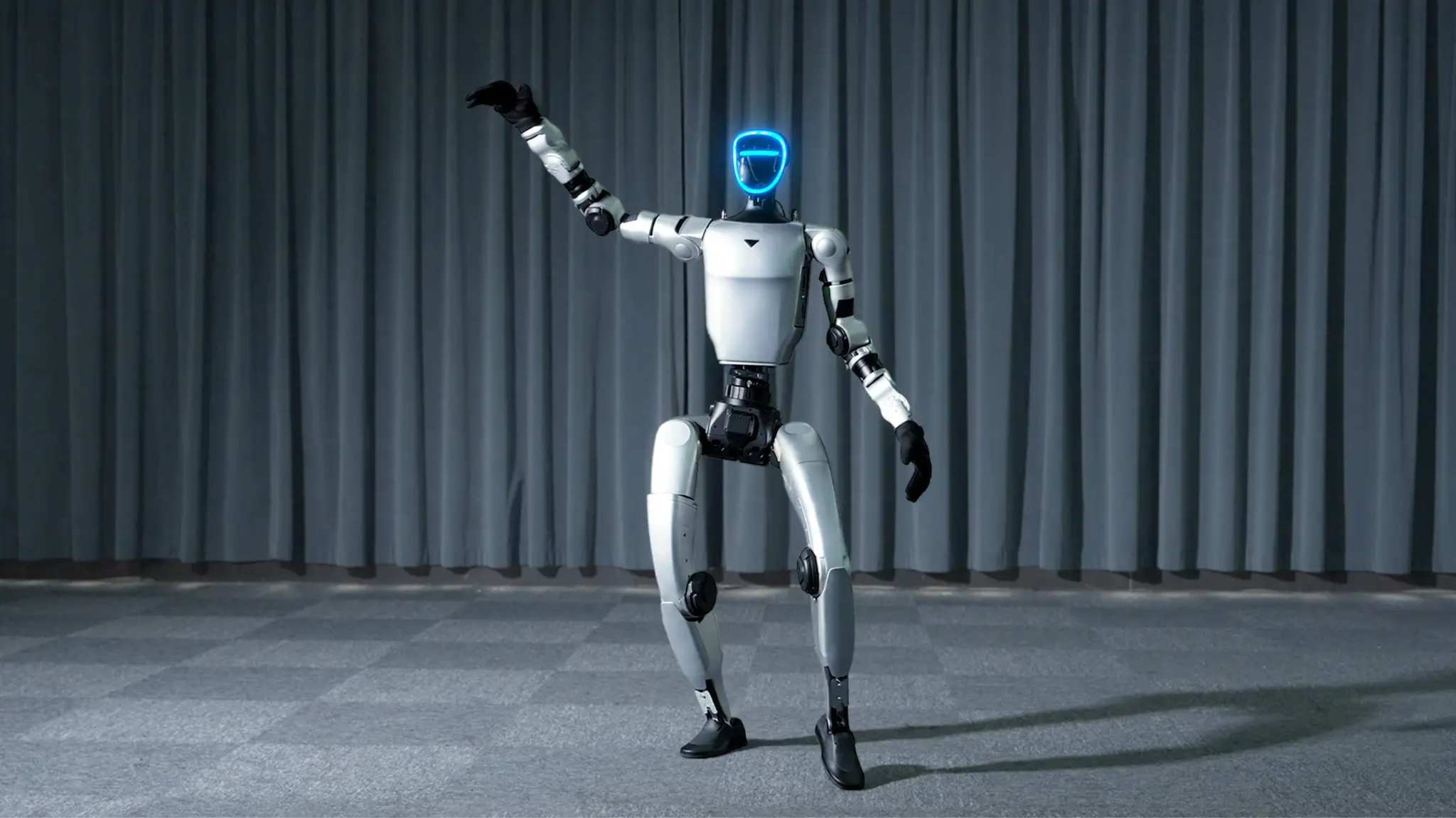
By volume of humanoid robots shipped, the largest humanoid robotics company in the world is China’s Unitree. Founded in August 2016 in Hangzhou by currently 36-year-old Wang Xingxing, who remains CEO today, the company makes both bipedal and quadruped robots across a number of different product lines. Its G1 and H2 robots have repeatedly gone viral on social media and earned worldwide publicity thanks to events like their February 2026 display at the China Media Group’s Spring Gala Festival, where the robots demonstrated high levels of coordination and agility in a choreographed dance routine. In total, the company has sold around 10,000 humanoid robots to date, including 5500 in 2025 alone, and has also sold at least 33,000 quadrupeds.1 None of Unitree’s competitors, both U.S. and Chinese, have managed to sell anything like this quantity of robots—most have sold closer to 3000 robots in total. Unitree employs around 500 people, over one-third of them in R&D roles.2 Unitree intends to go public on the Shanghai stock exchange in 2026 at a valuation of around $6 billion.3