

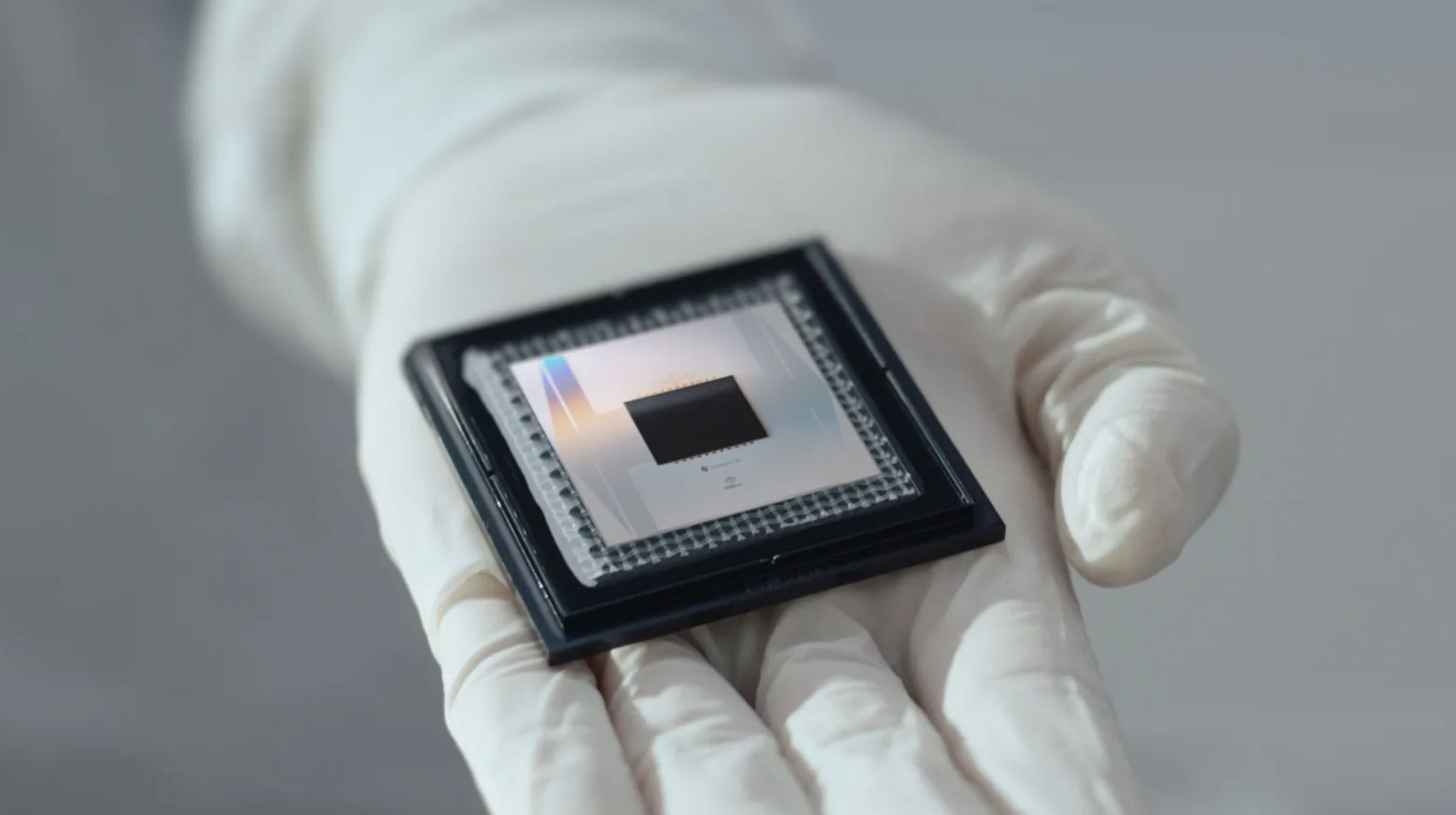

Quantum technology relies on the unique and counterintuitive properties of subatomic physics to store information, perform calculations, or sense phenomena. The interactions of subatomic particles can theoretically allow quantum computers to reach processing speeds orders of magnitude faster than classical computers on certain problems, to make entirely new types of algorithms viable as a result. Perhaps the most notable example here is Shor’s algorithm for finding prime factors of an integer, which promises to break traditional encryption schemes—especially RSA, the most commonly used worldwide—if successfully implemented on a quantum computer. Other possibilities include logistical optimization problems or accurately simulating subatomic particles involved in chemical reactions. Besides computing, militaries and intelligence agencies are interested in the possibility of using quantum phenomena to create new, more secure types of encryption, or gravitational and electromagnetic sensors that far surpass any technology available today, allowing, for example, for subterranean, stealth, or submarine structures and military materiel to be detected at a great distance.