

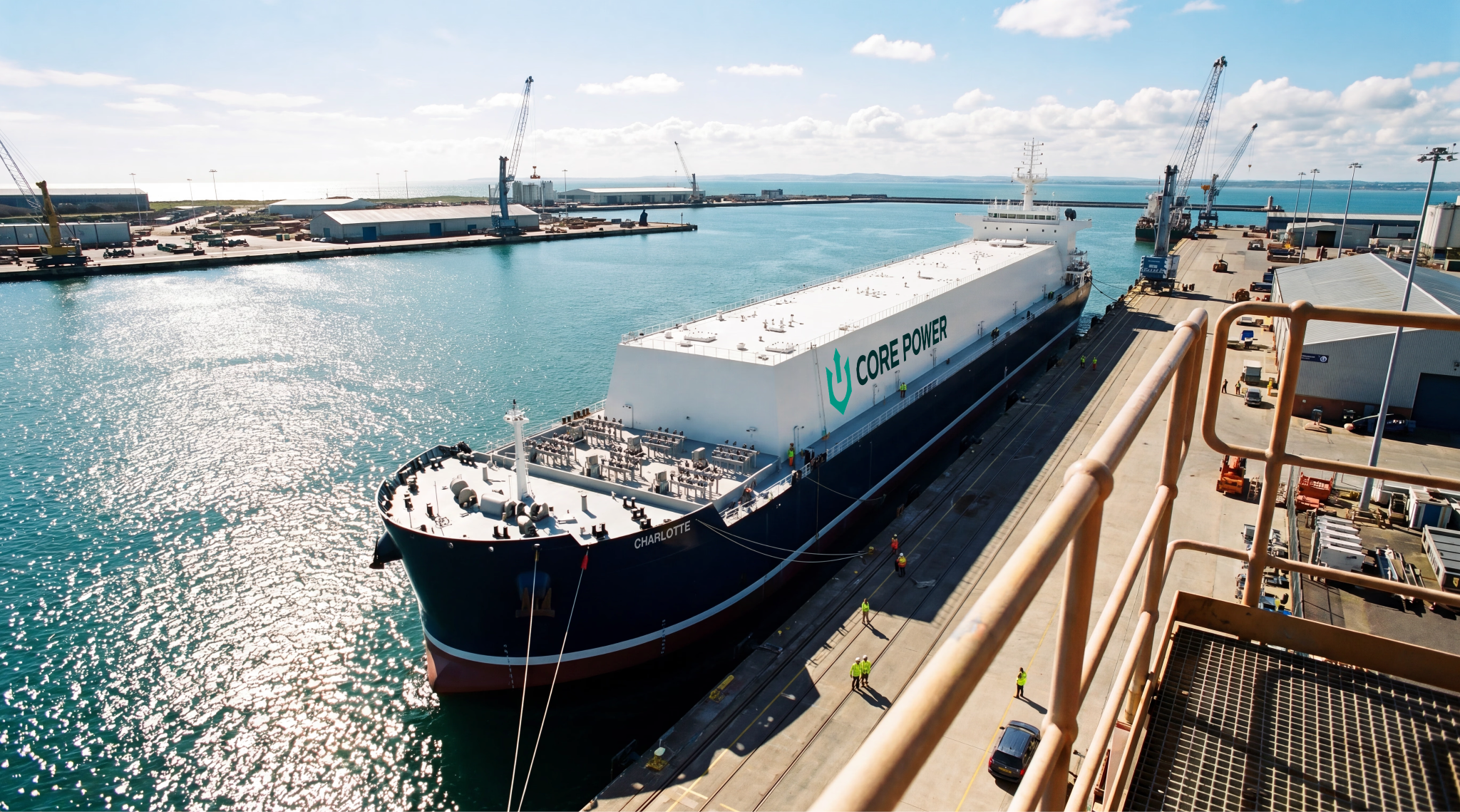
Marine or maritime nuclear technology refers broadly to the deployment of compact nuclear reactors at sea, such as aboard ships to act as a form of propulsion or aboard floating platforms to act as mobile power plants. At present, there are over 160 active nuclear-powered vessels utilizing more than 200 small nuclear reactors.1 Most of these are naval warships, in particular nuclear submarines, but there are also a handful of aircraft carriers and miscellaneous warships, alongside an even smaller number of icebreakers and other civilian ships.2 Russia’s Akademik Lomonosov floating nuclear power plant (FNPP) has also provided electricity to remote Siberian locales since 2020. Although we are used to thinking of nuclear power as something that must be built and deployed on land, marine nuclear reactors are in fact as old as nuclear technology itself. As the developed world faces mounting geopolitical energy crises and institutional dysfunction in industrial construction, deploying nuclear power at sea promises to be an effective way to circumvent both in the pursuit of economic growth. Both Chinese and South Korean firms, in particular, have unveiled plans for building nuclear-powered cargo ships.3