

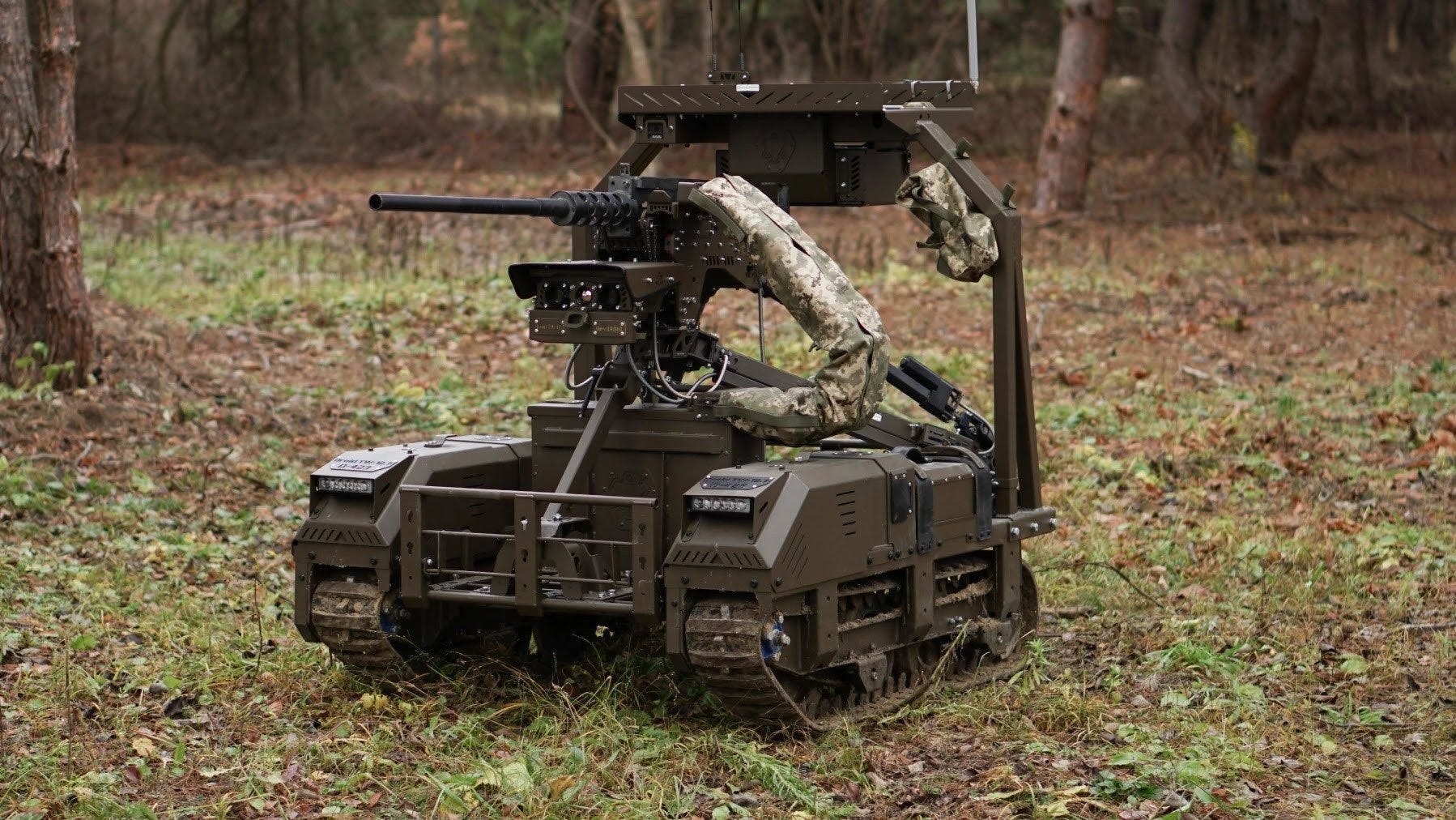
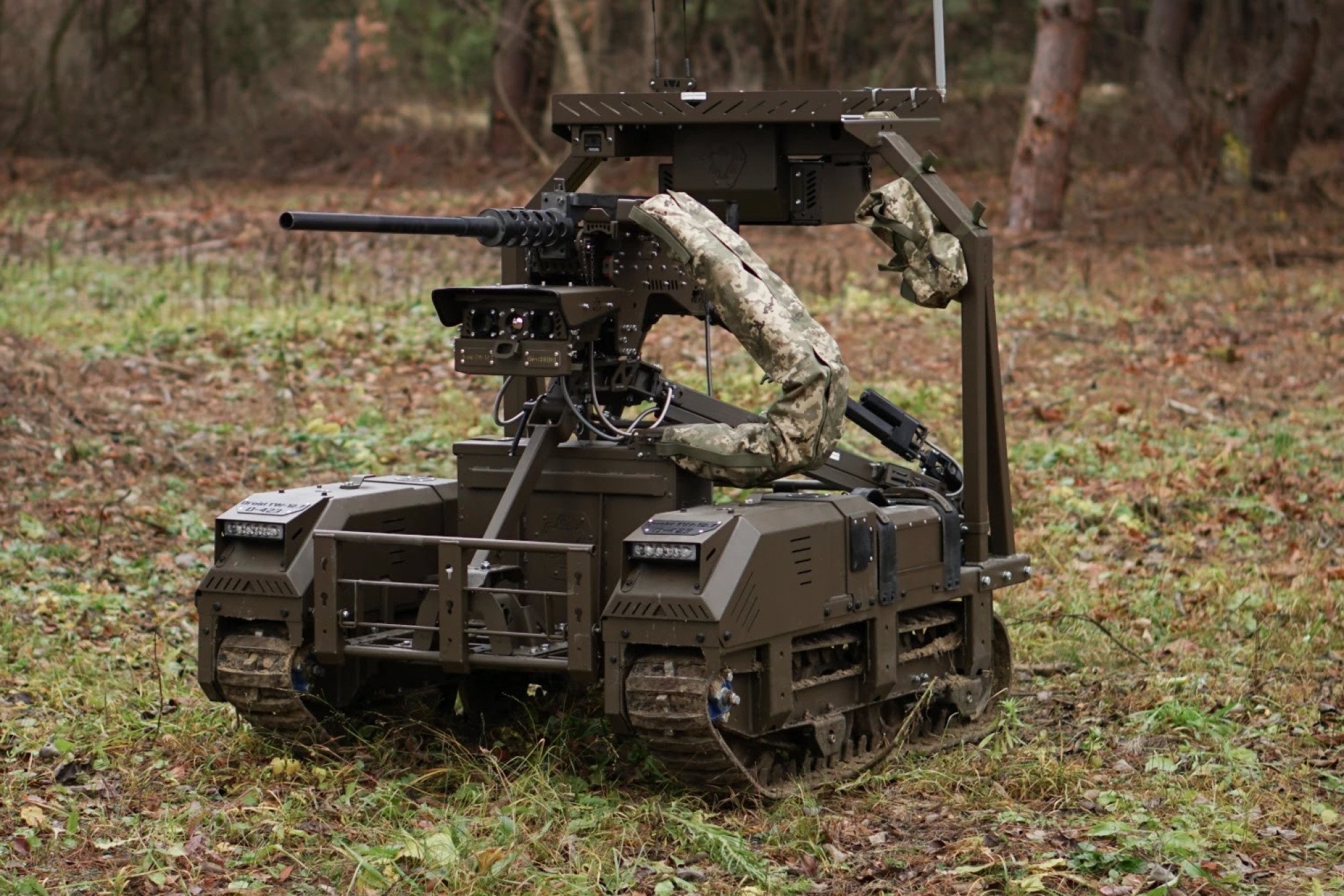
The term “unmanned ground vehicle” (UGV) is broadly used to refer to any military vehicle that lacks a physically present human operator—a ground drone. UGVs were deployed at scale by U.S. troops in Iraq and Afghanistan for bomb disposal operations and have been used by Israel in both combat and engineering roles in the ongoing Gaza war. But the largest numbers and greatest innovation have been in the Russia-Ukraine war, for logistics, medical evacuations, engineering, and combat roles alike. Ukraine deployed around 10,000-15,000 ground drones in 2025 and is aiming to produce another 50,000 in 2026, with its stated goal that ground drones eventually take over all logistics operations.1 As of early September 2026, Ukraine recorded over 112,000 ground drone logistics and evacuation missions completed since the start of the year.2 In the most well-known cases, Ukrainian ground drones have rescued wounded soldiers trapped dozens of kilometers behind the frontline and held positions with automated machine guns for weeks at a time.3 Continued advances in battery, robotics, telecommunications, and semiconductor technology raise the possibility of substantially replacing frontline human soldiers with robotic equivalents.