

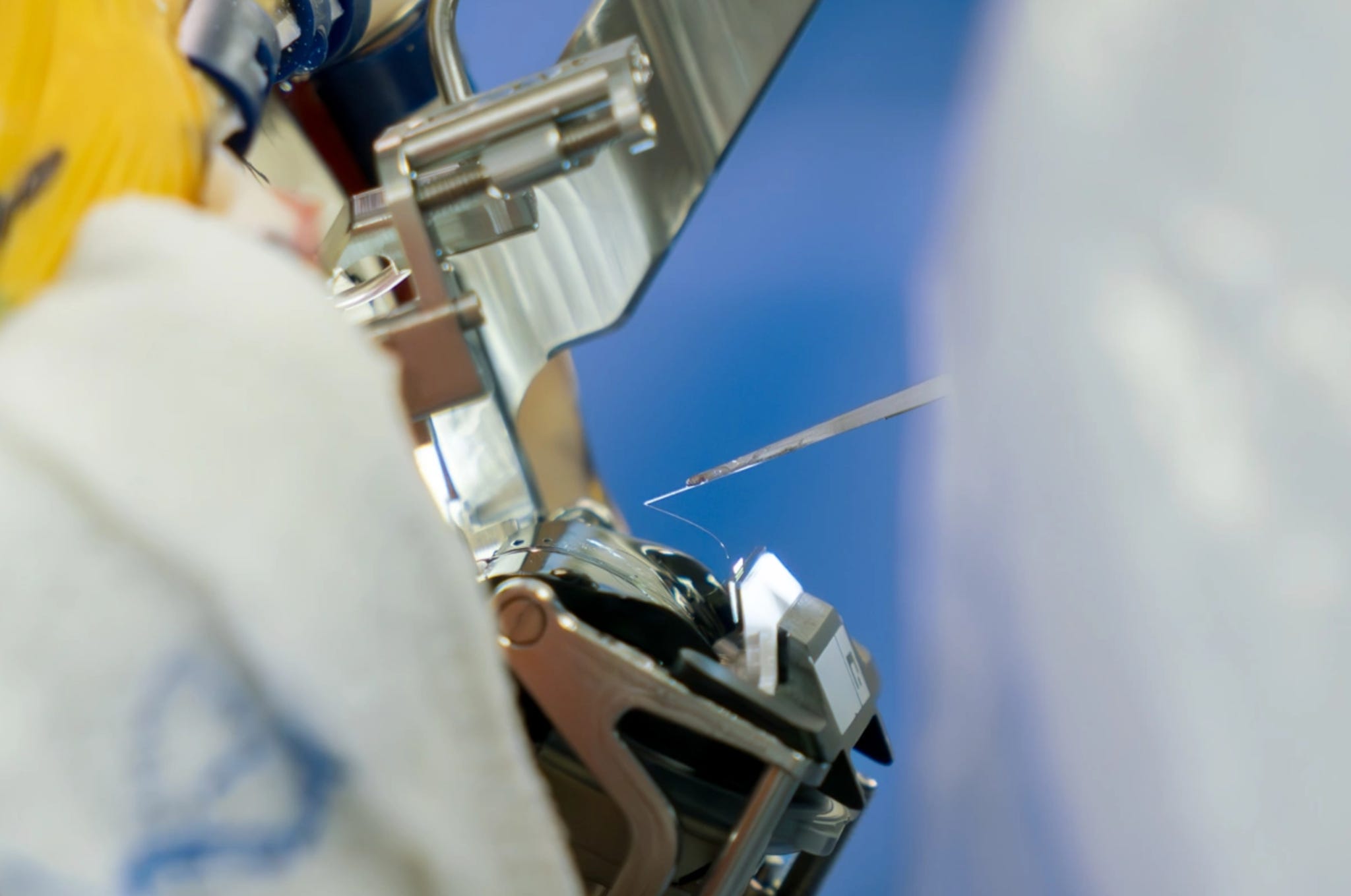
This Bismarck Brief will contribute to our exclusive upcoming AI 2026 Bismarck Strategic Report, which will feature in-depth analysis of the state of the artificial intelligence sector and technology, together with a comprehensive profile of key players. Upgrade or subscribe now to receive full access and never miss a report.
In January 2024, Elon Musk’s brain-computer interface (BCI) company Neuralink implanted its first device into a human recipient’s brain, allowing a 29-year-old man paralyzed below the shoulder, Noland Arbaugh, to control a computer cursor with his thoughts and, among other things, play computer games like online chess, Civilization, and even first-person shooters.1 Since then, at least twenty additional paralyzed recipients have received Neuralink implants, allowing them to control not just cursors but computer keyboards and even robotic arms.2 While Neuralink is the most prominent BCI company, it is far from alone. In March 2026, the Chinese government designated BCIs a technological priority for the country and also approved the world’s first commercially-available invasive BCI, made by Shanghai-based company Neuracle; other such devices remain approved only for clinical trials.3 In June 2026, Mark Zuckerberg’s Meta released a study showing it could decode more than half of words typed by a subject using only noninvasive magnetic sensors.4 The further development of this technology promises not just transformative medical devices but also hands-free input to computers and new training data for AI—first steps on an envisioned path of merging human mind and body with machine.