


This Bismarck Brief will contribute to our exclusive upcoming AI 2026 Bismarck Strategic Report, which will feature in-depth analysis of the state of the artificial intelligence sector and technology, together with a comprehensive profile of key players. Upgrade or subscribe now to receive full access and never miss a report.
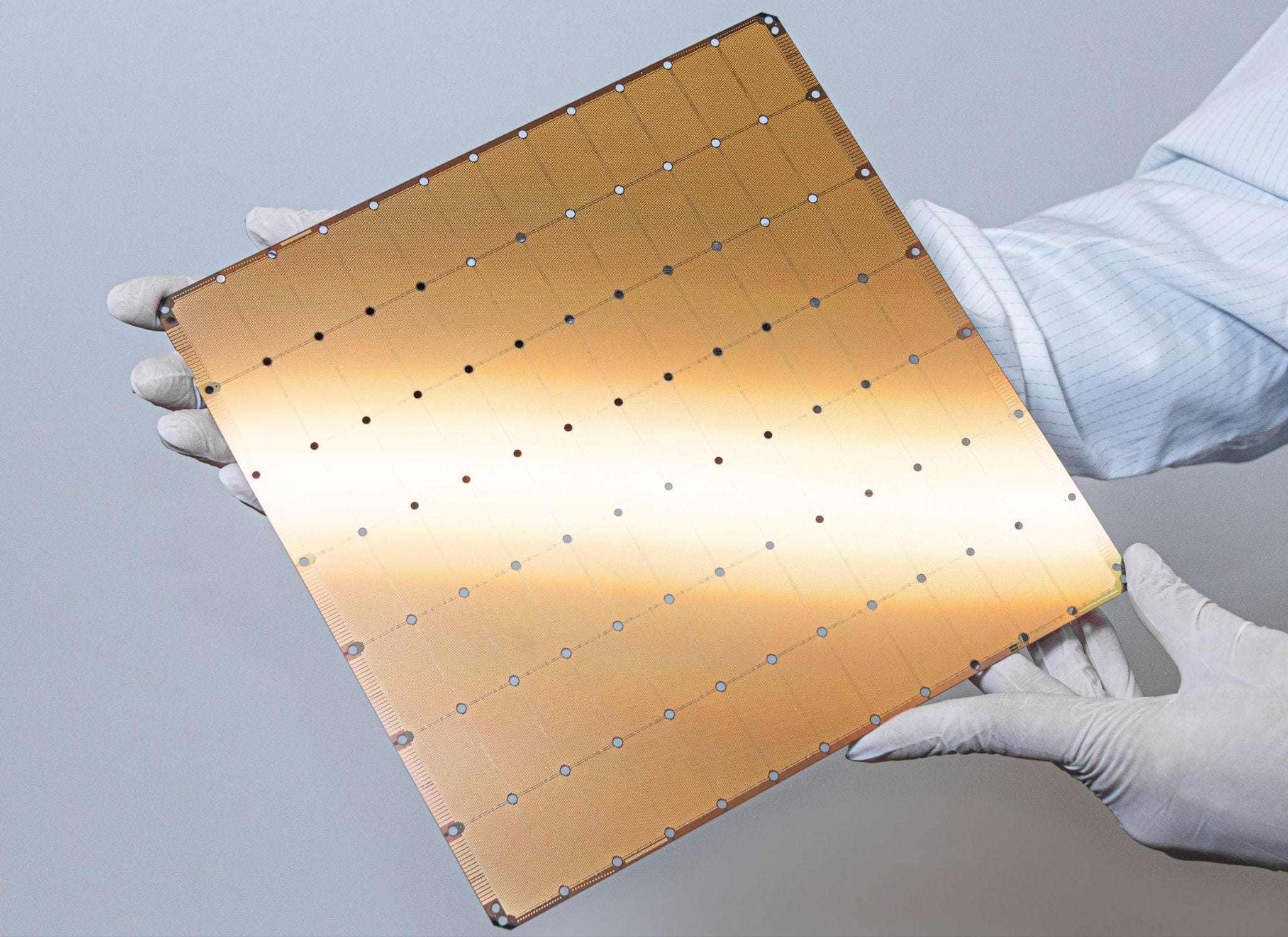
Cerebras is a U.S. semiconductor company that, in 2019, made computing history by successfully creating the physically largest-ever computer chip.1 An Nvidia H100 chip, first released in 2022, is roughly 814 square millimeters large—small enough to sit on a fingertip. In comparison, Cerebras’ “Wafer-Scale Engines” are over 46,000 square millimeters in size, well over fifty times larger than Nvidia’s chips and large enough to be held with both hands. The idea behind building massive computer chips is very simple: electrical signals between transistors on a single large chip must move far less distance than signals moving across many smaller chips connected with external networking components, making a single chip not just faster and more powerful but also more economical, using less electricity. Cerebras used a novel design to circumvent existing semiconductor design and manufacturing constraints, and says its chips are twenty times faster than Nvidia’s chips at running AI models, allowing instantaneous responses with no wait-time for users; its chips have won a major customer in OpenAI, which agreed to buy $20 billion of Cerebras chips in April 2026.2